Best 3D Printer for Small Business in 2026
The most reliable 3D printers for prototypes, custom products, and short-run manufacturing — ranked for uptime and total cost.
Updated · We may earn a commission from links on this page. How that works
Our top picks
 Check price on Bambu Lab
Best overall
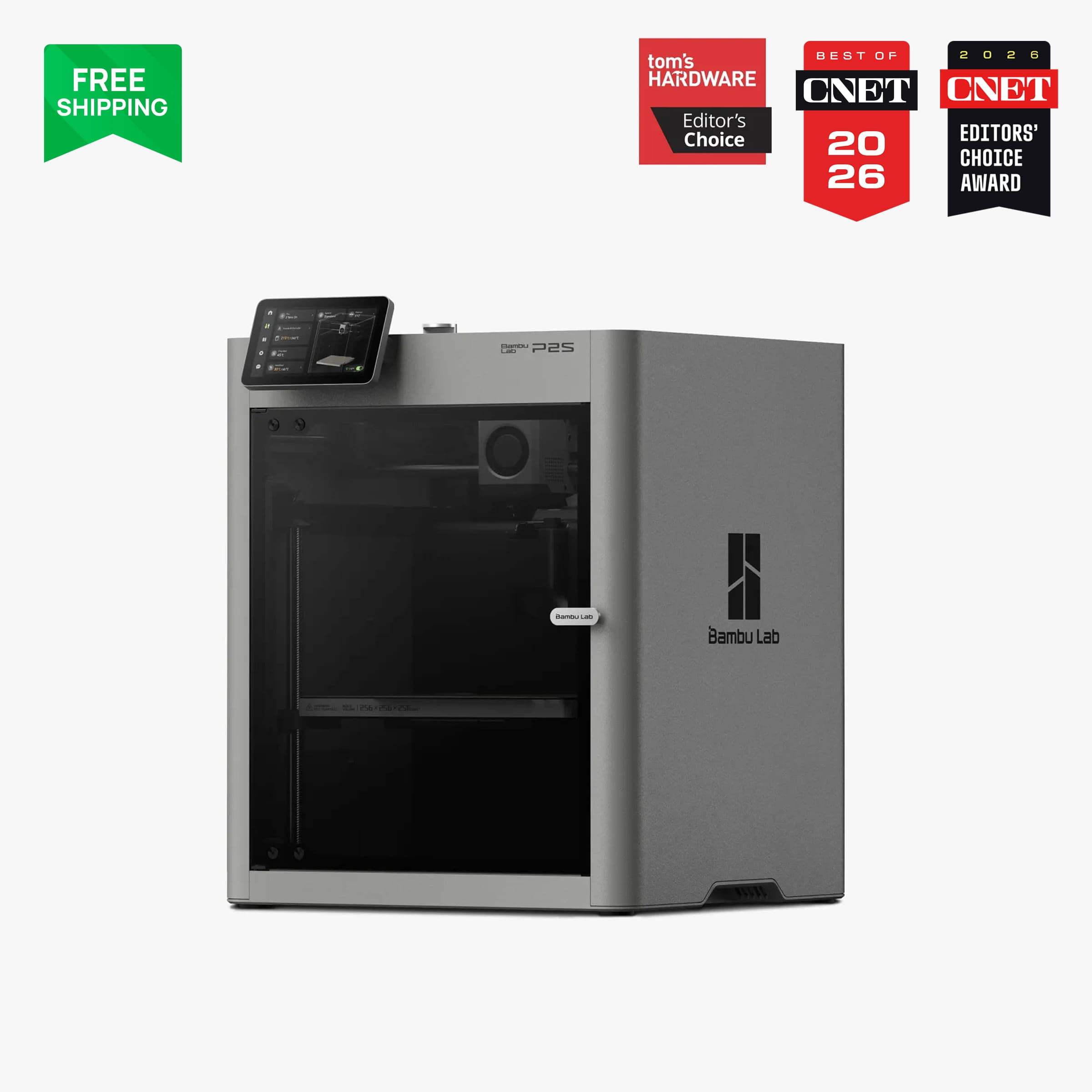
Bambu Lab P2SThe safest business buy in 3D printing right now. If you want one printer that earns its keep from day one, this is it.
 Check price on Prusa Research
Most reliable
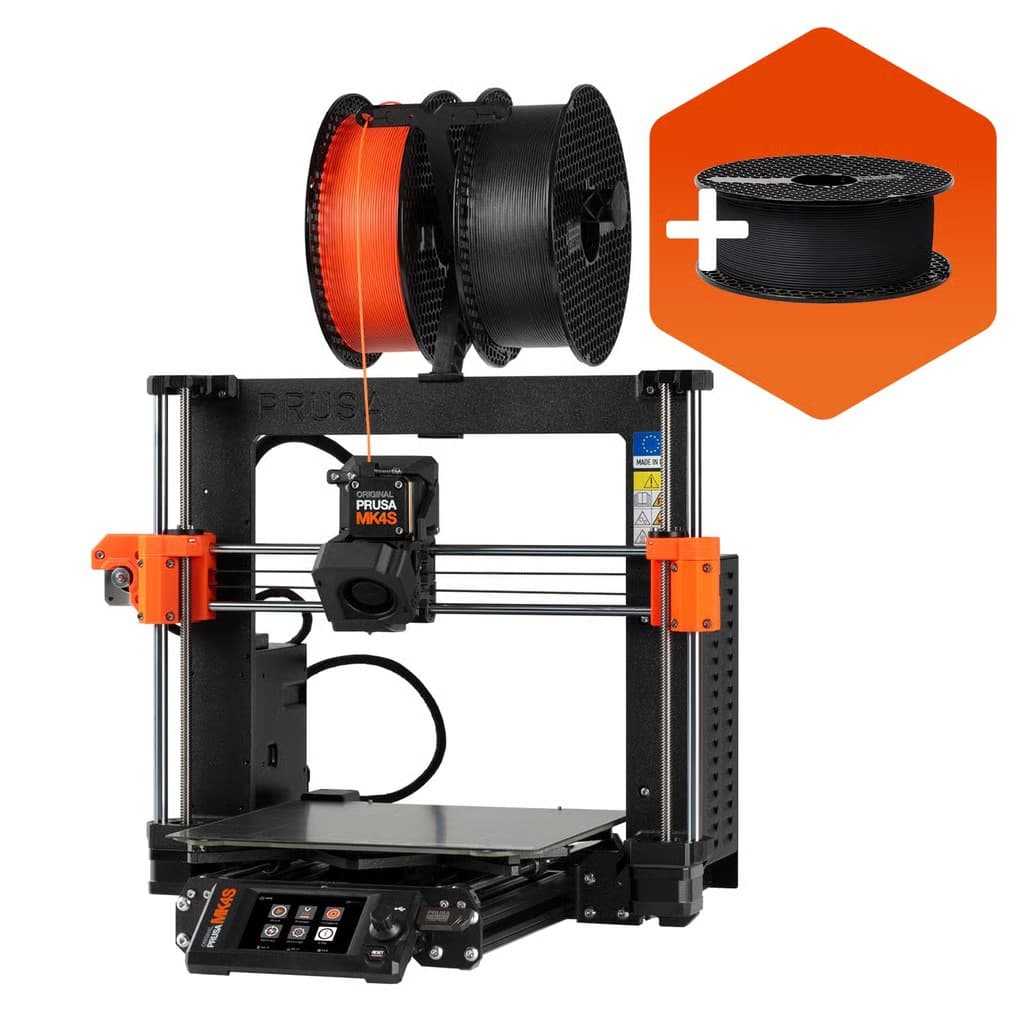
Original Prusa MK4SThe uptime-first choice. Buy it when reliability is worth more than features.
 Check price on QIDI
Best for engineering filaments
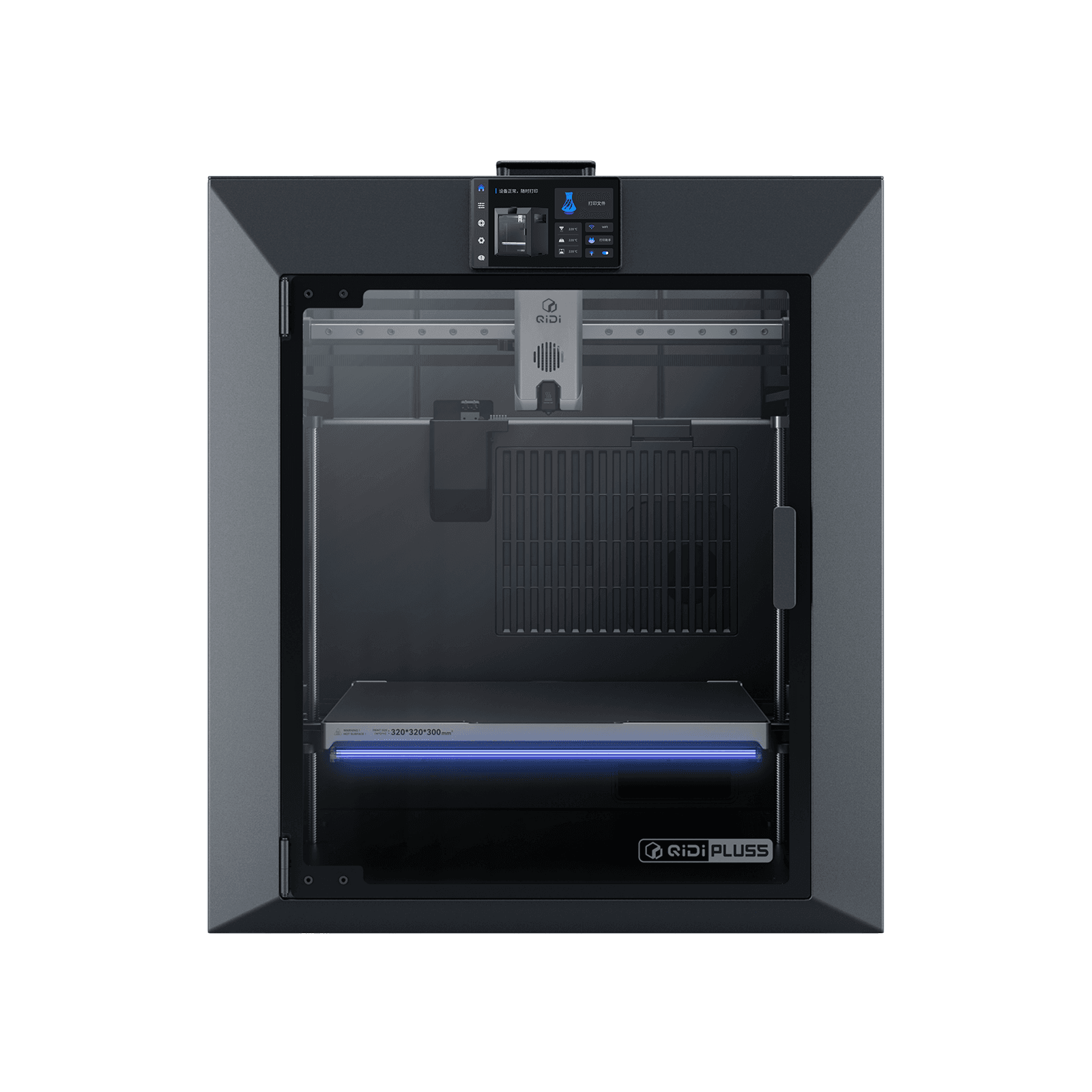
QIDI Plus5The most capable engineering-filament machine under $750. Buy it for functional parts, not desk toys.
 Check price on Creality
Best for batch production
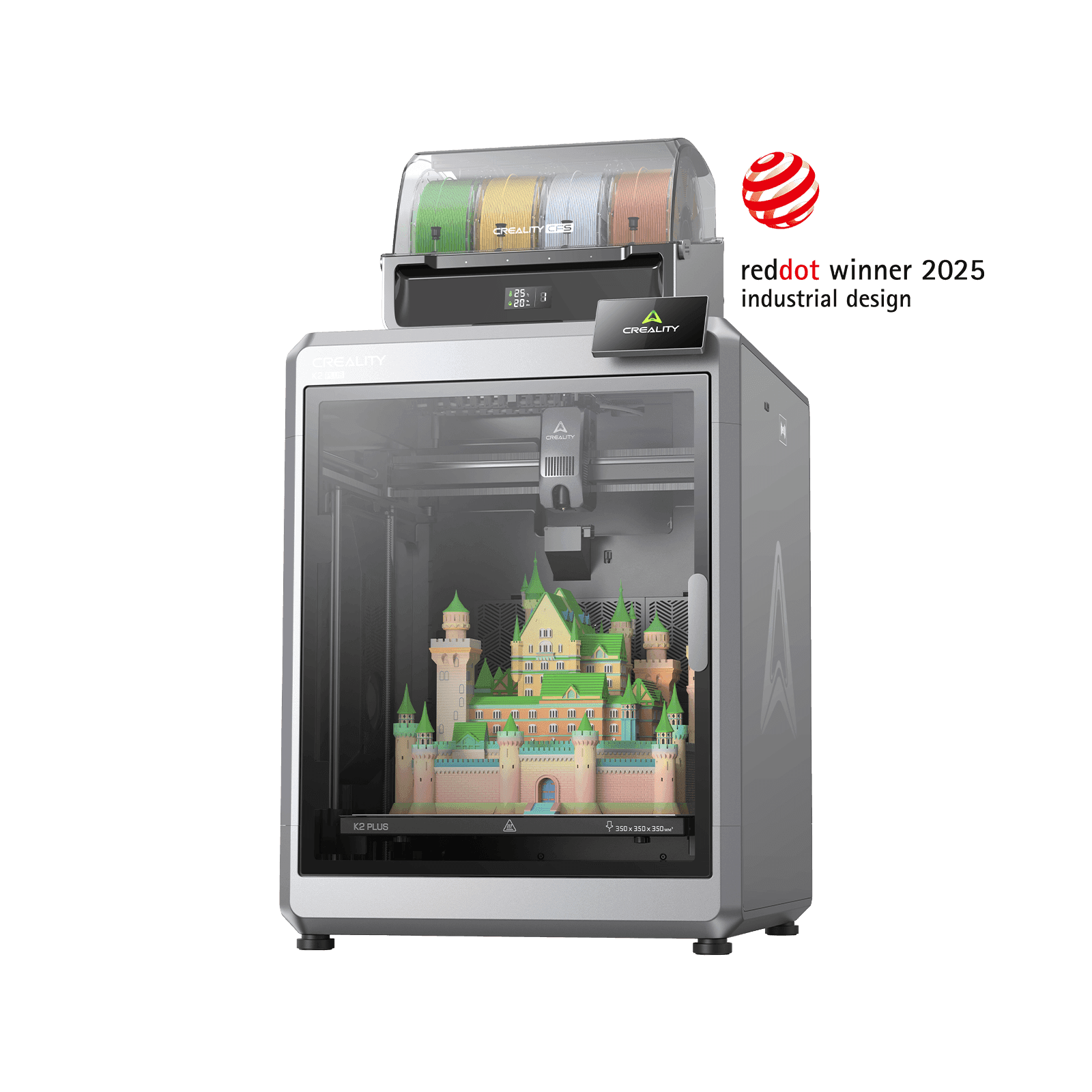
Creality K2 Plus ComboBuy it for the volume. It's an excellent batch machine if you run it single-color or don't mind feeder maintenance.
Buying a 3D printer for a small business is different from buying one for a hobby. A hobbyist shrugs off a failed print and a weekend of tinkering. A business pays for every failed print in lost time, wasted filament, and late orders.
So this guide ranks printers the way a business owner should: reliability and uptime first, total cost of ownership second, raw speed a distant third. A printer that runs unattended overnight without failing is worth more than a faster one that needs babysitting.
Our top picks at a glance
| Product | Price | Build volume | Enclosure | Best for |
|---|---|---|---|---|
| Bambu Lab P2SCheck price | ~$749 Combo | 256 × 256 × 256 mm | Yes (passive) | Fleet workhorse |
| Original Prusa MK4SCheck price | ~$999 assembled | 250 × 210 × 220 mm | No (optional) | Maximum reliability |
| QIDI Plus5Check price | ~$749 | 320 × 320 × 300 mm | Yes (65°C active) | Engineering filaments |
| Creality K2 Plus ComboCheck price | ~$1,100–1,200 Combo | 350 × 350 × 350 mm | Yes (60°C active) | Batch production |
Prices verified October 2026. They move with sales, so check the live price before buying.
Best overall: Bambu Lab P2S Combo
The P2S replaces the P1S, which was the backbone of print farms worldwide, and it improves on it in every way that matters for business use. It's an enclosed CoreXY machine with a 256 mm cubed build volume, a 600 mm/s top speed, and a 300°C hardened steel nozzle as standard (the P1S needed an upgrade for carbon-fiber filaments).
It's the business pick because it just prints. Setup takes about 15 minutes, calibration is fully automatic, and AI failure detection catches spaghetti before it wastes a spool. The AMS 2 Pro holds up to 4 filament spools with active drying, which helps on multi-color product runs. At around $749 for the Combo (verified on Bambu Lab's US store, October 2026), it offers the best throughput per dollar in its class.
The downsides: it's loud at full speed (not ideal in a quiet office), multi-color jobs waste filament on purging, and Bambu's ecosystem is closed. Repairs use proprietary parts, and the workflow is cloud-connected.
Best for: shops standardizing a fleet, Etsy product runs, prototyping in PLA, PETG, ABS, and ASA.
Image: Bambu LabBambu Lab P2S
The safest business buy in 3D printing right now. If you want one printer that earns its keep from day one, this is it.
Good stuff
- Extremely reliable out of the box
- Hardened nozzle handles composites stock
- Polished software and huge parts ecosystem
- AI failure detection saves filament
Watch out for
- Loud at full speed
- Closed ecosystem, proprietary parts
- Purge waste on multi-color jobs
Most reliable, open ecosystem: Prusa MK4S
Prusa is the print-farm standard for a reason. The company runs its own farm of 700+ printers around the clock and designs for that workload. The MK4S has a warranty claim rate under 1% across more than half a million printers shipped, the best reliability record in the business.
It comes from a different philosophy than Bambu. It's fully serviceable with widely available parts, you upgrade it rather than replace it, and it runs completely offline, with optional fleet management through Prusa Connect. You don't need a cloud account, and there's no proprietary lock-in. It costs $999 assembled at Prusa's US price ($729 as a kit, verified on prusa3d.com, October 2026).
The trade-offs: it's the most expensive pick here for its feature set, the frame is open (add Prusa's enclosure for ABS/ASA), and its build volume is the smallest in this guide. It isn't the fastest machine either, but for a business, uptime beats speed.
Best for: shops where a failed print costs real money, anyone who wants to repair rather than replace, offline-first workflows.
Image: Prusa ResearchOriginal Prusa MK4S
The uptime-first choice. Buy it when reliability is worth more than features.
Good stuff
- Best-in-class reliability record
- Fully serviceable with standard parts
- No cloud dependency
- Upgradeable platform, not disposable
Watch out for
- Premium price
- Open frame; enclosure costs extra
- Smallest build volume here
Best for engineering filaments: QIDI Plus5
If your business prints functional parts, like brackets, fixtures, and end-use components in ABS, ASA, or nylon, chamber temperature is what separates good prints from warped failures. The Plus5's actively heated 65°C chamber and 370°C nozzle are the best thermal specs at this price, and its 320 × 320 × 300 mm volume fits parts the 256 mm machines can't. It costs around $749 and was in stock on QIDI's US store in October 2026.
It's also refreshingly open for a 2026 printer: Klipper-based, controlled over your local network, with no cloud account required. Reviewers praise the build quality and how quickly QIDI's support responds.
Some caveats. QIDI's service network is smaller than Bambu's or Prusa's, multi-color needs the separate QIDI Box accessory, and at 29 kg it's a two-person lift. The Plus5 also replaced the Plus4, so make sure you're buying the current model.
Best for: functional prototyping, jigs and fixtures, small-batch engineering parts.
Image: QIDIQIDI Plus5
The most capable engineering-filament machine under $750. Buy it for functional parts, not desk toys.
Good stuff
- 65°C active chamber, unmatched at this price
- 370°C nozzle for nylon and PC
- No cloud lock-in, local control
- Large 320 mm build volume
Watch out for
- Smaller service network
- Multi-color costs extra (QIDI Box)
- Heavy at 29 kg
Best for batch production: Creality K2 Plus Combo
The K2 Plus is all about size: 350 mm cubed of build volume, roughly 2.6× the printable area of the 256 mm machines. One owner fit 9 parts on a plate versus 4 on a smaller machine, and fewer plate swaps per day add up to real throughput for batch work. The actively heated 60°C chamber handles ABS, ASA, and carbon-fiber filaments, and the machine is genuinely fast in single-color printing. Street price moves around $1,100 to $1,200 for the Combo on Amazon, so check the live price before buying.
Know what you're getting, though. The CFS multi-material feeder is the most complained-about part of this machine, with jams and false run-out errors that need babysitting. Purge waste runs about 38% higher than with Bambu's AMS. Reviewers describe it as a tinkerer's machine rather than an appliance. Run it single-color and most of the complaints disappear.
Best for: shops printing large parts or batches that can tolerate (or avoid) the multi-material feeder.
Image: CrealityCreality K2 Plus Combo
Buy it for the volume. It's an excellent batch machine if you run it single-color or don't mind feeder maintenance.
Good stuff
- Huge 350 mm build volume
- Heated chamber for engineering filaments
- Fast single-color printing
- Klipper-based, less cloud-locked
Watch out for
- CFS feeder needs babysitting
- High purge waste on multi-color
- 35 kg; needs a sturdy bench
How we picked
We evaluated every printer above against the same business criteria:
- Reliability and uptime. Failure rate, quality-control consistency, and whether owners trust it on overnight runs.
- Total cost of ownership. The sticker price, plus proprietary parts, cloud dependencies, and maintenance demands.
- Materials. Enclosed printers handle ABS, ASA, and nylon for functional parts; open frames are mostly limited to PLA and PETG.
- Throughput. Build volume and speed matter, but only after the first three check out.
We checked specifications against manufacturer data and cross-checked real-world performance against multiple independent reviewers and owner communities. Every pick above is research-based, and wherever we haven't tested a machine hands-on, the label says so.
What we'd skip, and why
Bambu Lab X1 Carbon. Bambu discontinued it in March 2026. Feature updates end in May 2027, and it's only available refurbished. The P2S matches or beats it at a lower price, so don't buy into a dead platform.
Anycubic Kobra 3 Max. It's tempting at around $429 for a massive 420 × 420 × 500 mm volume, but owner reports show inconsistent reliability, with layer shifts and thermal issues within weeks on a meaningful share of units. A business can't gamble on unit-to-unit luck.
Elegoo Centauri Carbon. It was genuinely impressive value at $300, but it's currently sold out on Elegoo's store with no live price we could verify. We don't recommend what you can't buy.
Buying advice for businesses
One expensive printer or several cheap ones? For production work, two $750 printers beat one $1,500 printer. A failed print only idles half your capacity, and you can run different materials at the same time. Standardize on one model so maintenance and spares stay simple.
Do you need an enclosure? If you print ABS, ASA, or nylon, yes. You can't get warp-free parts without one. For PLA and PETG only, an open frame is fine and cheaper.
Budget realistically. The sweet spot for a business machine is $500 to $1,200. Below that, reliability drops off fast. Above it, you're paying for industrial features most small shops don't need yet.
Filament is a real cost. At business volumes, budget 15 to 25% of the printer's price per year for filament, and more if you do multi-color work with purge waste.
Our picks, recapped
- Check price on Bambu Lab
Best overall
Bambu Lab P2SThe safest business buy in 3D printing right now. If you want one printer that earns its keep from day one, this is it.
- Check price on Prusa Research
Most reliable
Original Prusa MK4SThe uptime-first choice. Buy it when reliability is worth more than features.
- Check price on QIDI
Best for engineering filaments
QIDI Plus5The most capable engineering-filament machine under $750. Buy it for functional parts, not desk toys.
- Check price on Creality
Best for batch production
Creality K2 Plus ComboBuy it for the volume. It's an excellent batch machine if you run it single-color or don't mind feeder maintenance.
FAQ
What kind of 3D printer is best for a small business?
A reliable, enclosed CoreXY machine from an established brand. For business use, uptime matters more than top speed. A printer that finishes overnight jobs without failing earns back its price quickly.
How much should a small business spend on a 3D printer?
Between $500 and $1,200 is the sweet spot. Below $500, reliability and support drop off sharply. Above $1,200, you're paying for industrial features most small shops don't need.
Can you actually make money with a 3D printer?
Yes, but the money comes from the business model, not the machine: custom products, prototyping services, jigs and fixtures, short-run manufacturing. The printer is a tool, so validate demand before buying capacity.
Should I buy the Bambu Lab P1S?
The P1S is the previous-generation model. The P2S has replaced it in Bambu's lineup, and the P1S now sells at a discount while stock lasts. The P2S is better in every meaningful way at a similar price, so buy the P2S.
Do I need an enclosed 3D printer?
For ABS, ASA, nylon, or polycarbonate, yes. These materials warp without a warm, stable chamber. For PLA and PETG only, an open-frame printer works fine.
What does it cost to run a 3D printer for a business?
Beyond the machine, budget for filament (15 to 25% of the printer's price per year at moderate use), replacement nozzles and wear parts, and electricity, which runs roughly $50 to $150 per year for a single machine running regularly.
Prices verified October 2026. They move with sales, so check the live price before buying. As an affiliate site, we may earn a commission on purchases made through our links, at no extra cost to you. Read our affiliate disclosure.
Related guides
- Buying guideBest 3D Printer for Cosplay in 2026Large-format 3D printers for cosplay helmets and armor, ranked by build volume and long-print reliability — plus a small-prop specialist for detail work.
- Buying guideBest 3D Printer for Miniatures in 2026Resin 3D printers ranked for tabletop miniature detail: pixel size, tilt-release vats, and first-print success — plus the ventilation rules.
- Buying guideBest 3D Printer Under $500 in 2026Budget 3D printers that won't punish beginners — ranked on setup ease, reliability, and honest total cost, from the $197 floor to a $399 stretch pick.